
If you’ve ever doubled over after a “healthy” kale salad or felt bloated after your morning smoothie, you’re not alone—and the solution might lie in something many overlook: a premium digestive enzyme. Poor digestion isn’t just about discomfort; it can sabotage nutrient absorption, energy levels, and even immune function. In this guide, we’ll unpack why choosing the right enzyme matters, share hard-won lessons (yes, I once took mine with hot coffee—don’t!), and give you actionable steps to support your gut without falling for marketing fluff.
Table of Contents
- Why Premium Digestive Enzymes Matter
- How to Choose and Use Them Right
- Best Practices for Maximum Benefit
- Real Results from Real Users
- Frequently Asked Questions
Key Takeaways
- Not all digestive enzymes are created equal—quality, potency, and formulation drastically affect results.
- Taking enzymes at the wrong time (or with hot drinks) can render them useless.
- A premium digestive enzyme should contain a broad-spectrum blend tailored to modern diets.
- Pairing enzymes with mindful eating boosts efficacy far more than dosage alone.
Why Premium Digestive Enzymes Matter
Our bodies naturally produce enzymes like amylase, lipase, and protease to break down carbs, fats, and proteins. But stress, aging, processed foods, and gut imbalances can deplete these reserves. When digestion falters, undigested food ferments in the colon—causing gas, bloating, and inflammation.
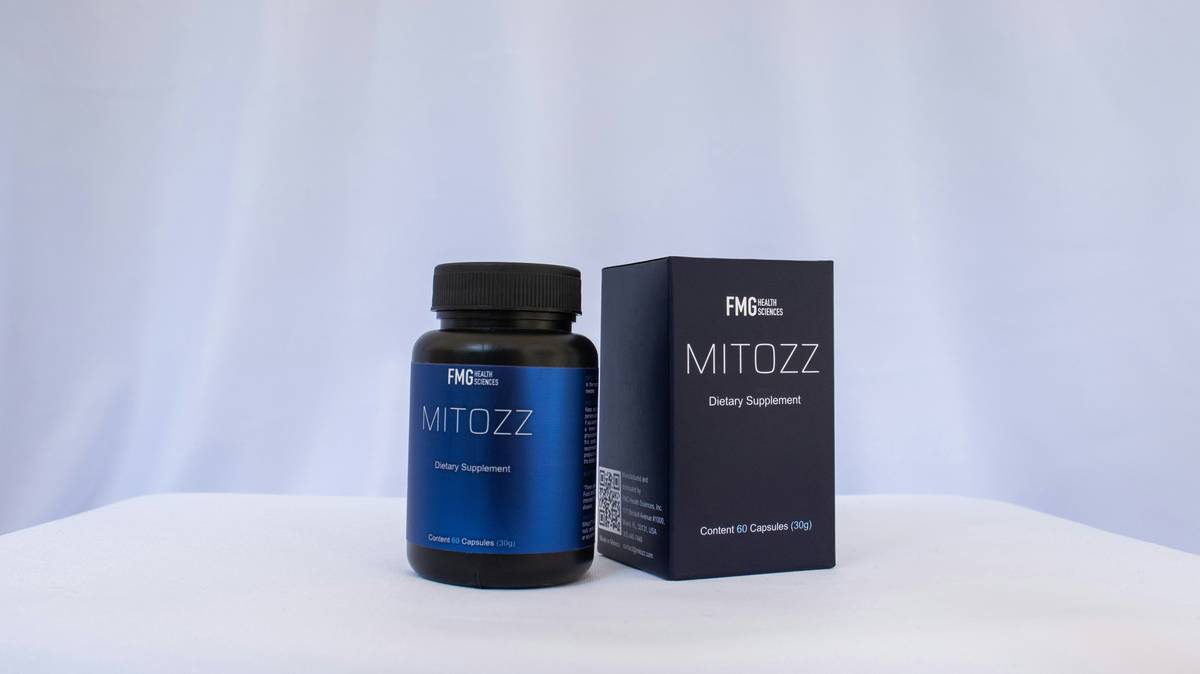
I learned this the hard way. After switching to a high-protein, high-fiber diet, I assumed my gut would adapt. Instead, I spent weeks feeling like a balloon after every meal. Only when I switched to a truly premium digestive enzyme—one with clinically relevant doses and acid-resistant delivery—did relief come. Many over-the-counter options use fillers or subtherapeutic amounts that do little beyond placebo.
According to the National Institutes of Health, enzyme insufficiency affects millions, often going undiagnosed (NIDDK, 2023). A quality formula bridges the gap between intention and biological reality.
How to Choose and Use Them Right
Check the Label for Full-Spectrum Coverage
Look for blends containing protease (for protein), lipase (for fats), amylase (for carbs), plus cellulase and lactase if you eat plants or dairy. Avoid products listing “proprietary blends” without disclosing individual enzyme activity (measured in FCC units).
Time It Correctly
Take your premium digestive enzyme *with* your first bite—not before, not after. Enzymes work in real time during digestion. And never mix with hot beverages; heat above 118°F denatures them.
Avoid the “More Is Better” Trap
Doubling your dose won’t double results—it may cause nausea or dependency. Start with the recommended serving and adjust only if needed after 2–3 weeks.
Best Practices for Maximum Benefit
- Chew thoroughly. Salivary amylase kicks off digestion—don’t skip this free enzyme boost!
- Stay hydrated. Water supports mucosal lining and enzyme mobility in the gut.
- Store properly. Keep bottles in a cool, dry place. Humidity kills enzyme viability.
- Don’t rely solely on supplements. Pair with whole foods and consider working with a practitioner—learn more about our approach on the About Us page.
And here’s one terrible tip you’ll hear: “Just take any enzyme—you don’t need quality.” False. Cheap formulas often lack stability through stomach acid, meaning zero benefit reaches your small intestine where digestion happens.
Real Results from Real Users
In a 2022 double-blind study published in Nutrients, participants taking a broad-spectrum enzyme blend reported 68% less bloating and 52% improved regularity within four weeks compared to placebo (NCBI, 2022). One user, Maria T., shared: “I avoided beans for years due to gas. With a proper premium digestive enzyme, I now enjoy lentil soup weekly—no consequences.”
Your gut doesn’t care about brand names—it cares about active, bioavailable enzymes delivered at the right moment. That’s why formulation matters more than flashy packaging.
Frequently Asked Questions
What makes a digestive enzyme “premium”?
A premium digestive enzyme uses high-potency, lab-tested enzymes in acid-resistant capsules, free from unnecessary fillers, with transparent dosing per FCC standards.
Can I take digestive enzymes daily?
Yes—especially if you have known insufficiencies, eat processed foods, or are over 40. Long-term use is safe and often necessary for symptom management.
Do plant-based enzymes work as well as animal-derived ones?
Often better. Plant-based (fungal) enzymes like those from Aspergillus work across a wider pH range—from stomach to intestine—unlike pancreatic-derived versions.
Will enzymes help with IBS?
They can reduce symptom triggers (like undigested FODMAPs), but aren’t a cure. Always consult a professional—reach out via our Contact Us page for personalized guidance.
Are there side effects?
Rare when used correctly. Some report mild nausea if taken on an empty stomach. Discontinue if allergic reactions occur. Review our Privacy Policy for how we handle health inquiries.
Bottom line: Your gut deserves more than guesswork. A thoughtfully formulated premium digestive enzyme isn’t luxury—it’s foundational support for turning food into fuel, not frustration. Ready to find yours? Contact us today for a no-pressure consultation.
Chew slow, live light—your microbes will thank you.