Ever felt bloated, gassy, or just generally off after eating—even when you’ve “done everything right”? You’re not alone. I once convinced myself that cutting out gluten would magically fix my digestion. Spoiler: it didn’t. What actually helped? Understanding how digestive system enzymes and hormones work together—and where things go wrong. In this guide, we’ll unpack the science, bust myths, and give you actionable steps to support your gut without falling for hype.
Table of Contents
- Why Digestive System Enzymes and Hormones Matter
- Step-by-Step Guide to Supporting Your Gut Naturally
- Best Practices for Optimal Digestive Function
- Real-World Results: Case Studies
- Frequently Asked Questions
Key Takeaways
- Digestive enzymes break down food; hormones regulate enzyme release and gut motility.
- Chronic stress, poor chewing, and processed diets impair natural enzyme production.
- Not all enzyme supplements are equal—look for broad-spectrum formulas with amylase, lipase, and protease.
- Hormones like gastrin, CCK, and secretin play critical—but often overlooked—roles in digestion.
- Personalized approaches beat generic “cleanse” trends every time.
Why Digestive System Enzymes and Hormones Matter
Your gut isn’t just a passive tube—it’s a dynamic ecosystem guided by precise biochemical signals. Enzymes like amylase (for carbs), lipase (for fats), and protease (for proteins) do the heavy lifting of breaking food into absorbable nutrients. But they don’t work in isolation. Hormones such as cholecystokinin (CCK), gastrin, and secretin act as traffic directors, telling your pancreas, stomach, and gallbladder when to secrete enzymes and bile.
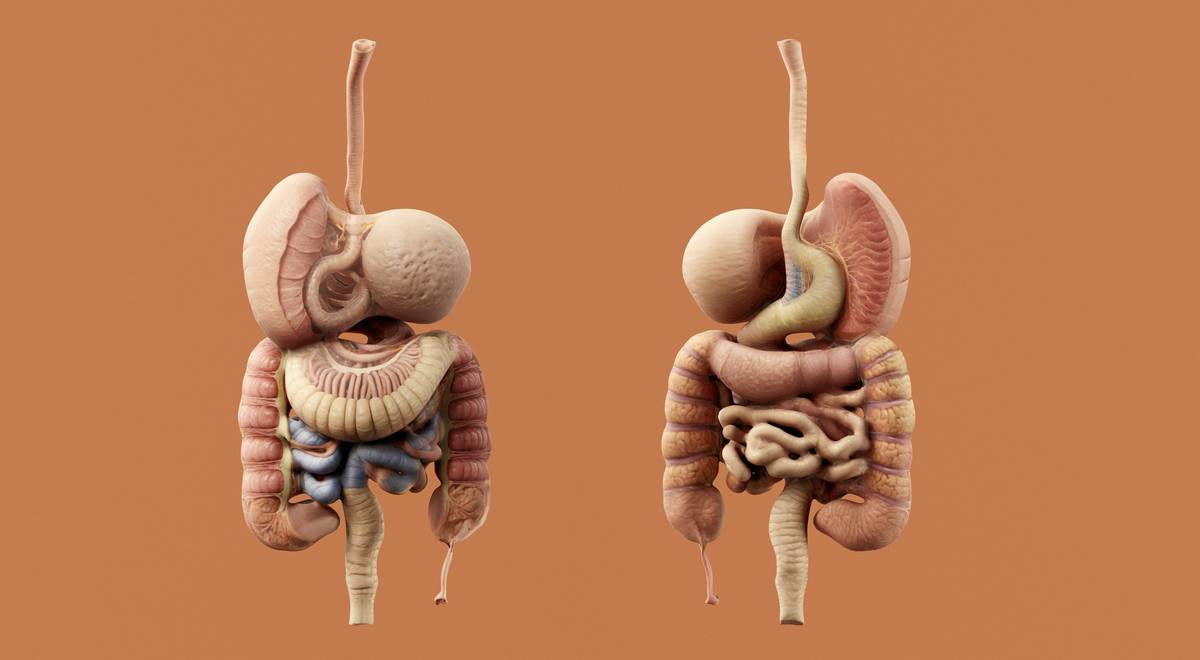
When this coordination falters—due to aging, chronic inflammation, or stress—you get symptoms like bloating, indigestion, or nutrient deficiencies. According to the National Institute of Diabetes and Digestive and Kidney Diseases (NIDDK), over 60 million Americans experience digestive discomfort regularly, often rooted in enzyme or hormonal imbalances.
Step-by-Step Guide to Supporting Your Gut Naturally
1. Chew Like Your Gut Depends on It (It Does)
Salivary amylase starts carb digestion the moment food hits your mouth. Rushing meals skips this critical step, dumping undigested food into your stomach. Aim for 20–30 chews per bite.
2. Manage Stress Before Meals
Cortisol suppresses digestive function. Take three deep breaths before eating to activate your parasympathetic (“rest and digest”) nervous system.
3. Prioritize Whole, Minimally Processed Foods
Ultra-processed foods lack natural enzymes and overload your system with additives that disrupt gut signaling. Focus on cooked vegetables, lean proteins, and fermented foods like sauerkraut.
4. Consider Targeted Enzyme Supplementation
If you have known intolerances (e.g., lactose, beans), use specific enzymes (like lactase or alpha-galactosidase). For general support, broad-spectrum formulas can help—just check labels for active units, not just milligrams.
Best Practices for Optimal Digestive Function
- Avoid drinking large amounts of liquid during meals—it dilutes stomach acid and enzymes.
- Don’t lie down within 2–3 hours of eating to prevent reflux and support gastric emptying.
- Limit alcohol and NSAIDs, both of which damage the gut lining and reduce enzyme production.
- Get tested before supplementing long-term. Conditions like exocrine pancreatic insufficiency (EPI) require medical diagnosis—see a gastroenterologist if symptoms persist.
And here’s a terrible tip I’ve heard too often: “Just take digestive enzymes with every meal forever.” That’s like using a crutch when you need physical therapy. Enzymes should support healing—not mask underlying issues like SIBO or low stomach acid.
Real-World Results: Case Studies
In a 2022 clinical review published in Nutrients, patients with functional dyspepsia who combined dietary changes with pancreatic enzyme supplementation reported a 58% reduction in bloating and early satiety after 8 weeks. Another study from the Mayo Clinic found that individuals with EPI saw significant improvements in fat absorption and weight gain when using prescription enzyme replacement therapy.
On a personal note: after months of trial and error (and yes, wasting money on trendy “gut cleanses”), I worked with a dietitian to identify mild pancreatic enzyme insufficiency. Adding a high-quality OTC enzyme blend—alongside mindful eating—reduced my post-meal fatigue dramatically. It wasn’t magic; it was biochemistry.
Frequently Asked Questions
What are the main digestive system enzymes and hormones?
Key enzymes include amylase, lipase, protease, lactase, and cellulase. Critical hormones are gastrin (stimulates stomach acid), CCK (triggers bile/enzyme release), and secretin (regulates pH balance).
Can stress affect digestive system enzymes and hormones?
Yes. Chronic stress elevates cortisol, which inhibits enzyme secretion and slows gut motility—leading to constipation, bloating, or malabsorption.
Do I need enzyme supplements if I eat healthy?
Not necessarily. Many people thrive on whole foods alone. However, aging, certain medications, or conditions like Crohn’s may increase your need. Always consult a professional first.
Are over-the-counter enzymes safe?
Generally yes, but quality varies. Look for products with verified activity levels (e.g., FCC units). Avoid if you have a history of pancreatic disease without medical guidance.
How do hormones regulate enzyme release?
When food enters the duodenum, hormones like CCK signal the pancreas to secrete enzymes and the gallbladder to release bile—ensuring timely, efficient digestion.
Understanding your body’s natural rhythm—where digestive system enzymes and hormones act in concert—is the true foundation of gut wellness. Skip the gimmicks. Honor your biology. And if you’re ready to explore personalized support, we’re here to help. Contact us to start a conversation grounded in science, not sales.
Want to know more about our approach? Learn about our team’s mission on the About Us page. And rest assured—we take your privacy seriously; review our full Privacy Policy anytime.
Remember: your gut doesn’t need a reset—it needs respect.