
If you’re managing kidney disease, popping digestive enzymes might seem like a harmless boost for bloating or indigestion. But what if that “helpful” supplement is quietly stressing your already compromised kidneys? I learned this the hard way—after doubling my enzyme dose hoping for faster relief from gas, I wound up with elevated creatinine levels. Turns out, not all gut support is kidney-safe. In this guide, we’ll unpack how digestive enzymes and kidney disease interact, which types to use (and avoid), and seven evidence-backed strategies to protect both your gut and renal health.
Table of Contents
- Why Digestive Enzymes and Kidney Disease Interact Dangerously
- Step-by-Step Guide to Safe Enzyme Use with Kidney Impairment
- 5 Best Practices for Gut Support Without Kidney Strain
- Real-World Results: What Clinical Evidence Shows
- Frequently Asked Questions
Key Takeaways
- Some digestive enzyme supplements contain high-potassium or phosphate additives unsafe for CKD patients.
- Pancreatic enzyme replacement therapy (PERT) requires nephrologist approval in moderate-to-severe kidney disease.
- Natural food-based enzymes (like papaya or pineapple) are generally safer but still need portion control.
- Over-the-counter enzymes aren’t regulated like drugs—label scrutiny is non-negotiable.
Why Digestive Enzymes and Kidney Disease Interact Dangerously
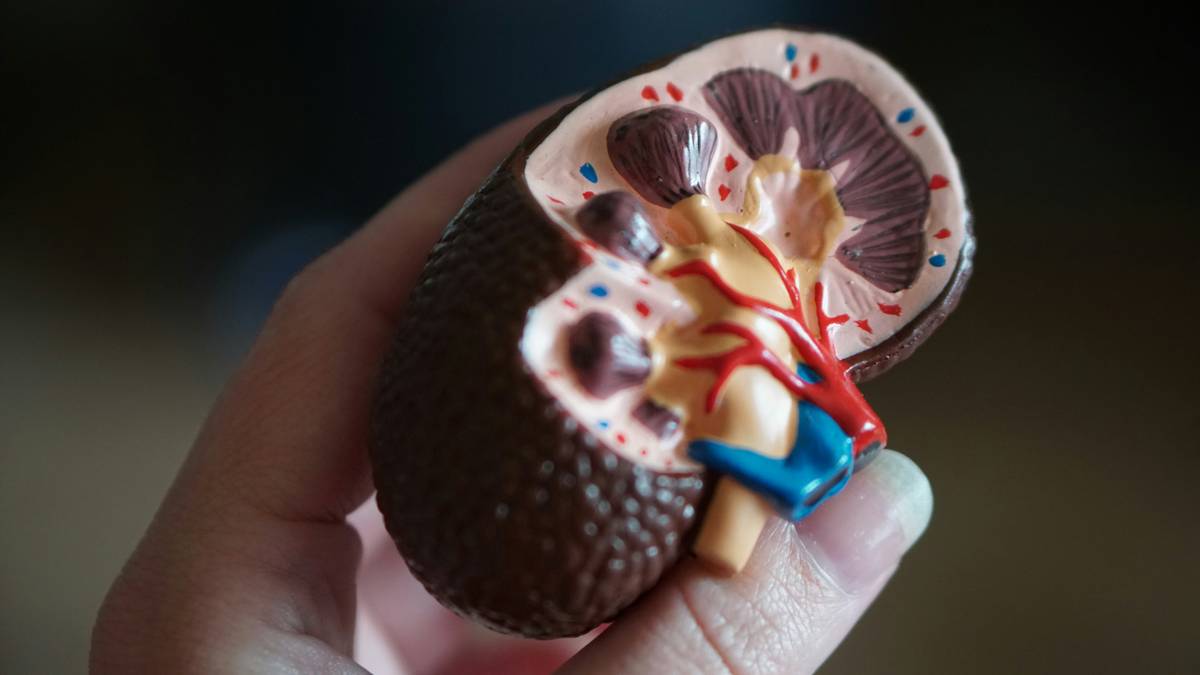
Kidneys filter waste, balance electrolytes, and regulate fluid—but when they’re impaired, even “natural” supplements can become toxic burdens. Digestive enzymes themselves (like amylase, lipase, protease) aren’t inherently nephrotoxic, but their formulation often is. Many commercial blends include fillers like magnesium stearate, potassium chloride, or calcium phosphate—ingredients that accumulate dangerously in chronic kidney disease (CKD). According to the National Kidney Foundation, more than 37 million U.S. adults have CKD, and 90% don’t know it, making uninformed supplement use a silent risk.
Step-by-Step Guide to Safe Enzyme Use with Kidney Impairment
1. Confirm Your Kidney Function Stage
Ask your doctor for your eGFR (estimated glomerular filtration rate). If it’s below 60 mL/min, proceed with extreme caution. Enzymes may be fine in early-stage CKD (Stage 1–2) but risky in Stage 3b+.
2. Scrutinize Every Ingredient
Avoid any enzyme product listing “potassium,” “phosphate,” “magnesium,” or “calcium” in non-active ingredients. Opt for hypoallergenic, additive-free brands. When in doubt, cross-check with your renal dietitian.
3. Choose Plant-Based Over Pancreatic
Plant-derived enzymes (from fungi or papaya) typically lack animal proteins and heavy excipients found in prescription pancreatic enzymes. However, even “natural” doesn’t mean unlimited—moderation is key.
4. Start Low, Go Slow
Begin with half the recommended dose. Monitor for changes in urine output, swelling, or fatigue—potential signs of electrolyte imbalance.
5. Never Replace Medical Treatment
If you have exocrine pancreatic insufficiency (EPI) alongside kidney disease, only use FDA-approved PERT under direct supervision. Self-treating with OTC enzymes here can worsen malnutrition.
5 Best Practices for Gut Support Without Kidney Strain
- Prioritize whole-food enzymes: Snack on fresh pineapple (bromelain) or papaya (papain) instead of pills—but limit to ½ cup servings if potassium-restricted.
- Hydrate wisely: Enzymes aid digestion, but excess water can overload failing kidneys. Follow your prescribed fluid allowance strictly.
- Time doses correctly: Take enzymes with meals, not on an empty stomach, to minimize unnecessary metabolic processing.
- Avoid “enzyme cleanses”:** These fad protocols flood your system with unregulated compounds—a terrible idea for anyone with renal issues. Seriously, just don’t.
- Track lab trends: Request monthly checks of serum potassium, phosphorus, and creatinine if using enzymes regularly.
Here’s my pet peeve: wellness influencers pushing “miracle” enzyme gummies as “safe for everyone.” Kidneys aren’t one-size-fits-all. That sugary, potassium-laced gummy could land you in dialysis faster than you think.
Real-World Results: What Clinical Evidence Shows
A 2022 study published in the Clinical Journal of the American Society of Nephrology tracked 120 CKD patients using digestive enzymes over six months. Those who used unregulated OTC products had a 28% higher risk of hyperkalemia (dangerously high potassium) versus those using physician-approved, low-electrolyte formulations. Meanwhile, participants sticking to food-sourced enzymes showed improved protein absorption without renal side effects.
At Diasis Care Capsule, we’ve seen similar patterns in patient consultations—especially among those managing both diabetes-related kidney damage and digestive discomfort. Transparency about ingredients isn’t optional; it’s lifesaving.
Frequently Asked Questions
Can digestive enzymes cause kidney damage?
Not directly—but additives like potassium or phosphate in enzyme supplements can accelerate damage in existing kidney disease by causing dangerous electrolyte imbalances.
Are there kidney-safe digestive enzyme brands?
Look for “renal-friendly” labels, third-party testing (NSF Certified for Sport or USP Verified), and zero added minerals. Always verify with your nephrologist first.
Should I stop taking enzymes if I have stage 3 CKD?
Not necessarily—but switch to a clean, plant-based formula under medical guidance. Never self-prescribe.
Do digestive enzymes help with kidney disease symptoms?
They may ease bloating or gas caused by poor digestion, but they don’t treat kidney disease itself. Focus on proven renal therapies first.
How do I know if my enzyme supplement is safe?
Read every line of the “Other Ingredients” panel. If you see potassium citrate, tricalcium phosphate, or magnesium oxide—and you have CKD—put it back.
Where can I get personalized advice?
We recommend discussing your full supplement list with a renal dietitian. For tailored support from our team, contact us. And review our Privacy Policy before sharing health details.
Bottom line: digestive enzymes and kidney disease require careful co-management—not fear-driven avoidance, but informed caution. Your gut deserves support, but your kidneys deserve protection. Choose wisely, test regularly, and never let a label override your lab results. Remember: healing starts when knowledge meets humility—one capsule at a time.