Ever eaten a big meal only to spend the next few hours bloated, gassy, or doubled over with cramps? You’re not alone—and it might not be your food’s fault. It could be your enzymes in the human digestive system running low or lagging behind. These microscopic workers break down everything you eat into absorbable nutrients, and when they’re off duty, your gut pays the price.
In this guide, we’ll unpack how these essential proteins work, where things go wrong, and—most importantly—what you can do about it without wasting money on gimmicks. Based on real science, personal trial-and-error (yes, I’ve made the mistakes so you don’t have to), and expert-backed strategies, you’ll walk away with actionable steps to support your digestion naturally.
Table of Contents
- Why Enzymes in the Human Digestive System Matter for Your Health
- Step-by-Step Guide to Supporting Your Natural Enzyme Production
- 5 Best Practices for Optimal Digestive Enzyme Function
- Real Results: What Happens When You Fix Your Enzyme Game?
- FAQs About Digestive Enzymes
Key Takeaways
- Your body produces key enzymes like amylase, lipase, and protease to break down carbs, fats, and proteins.
- Aging, stress, and poor diet can reduce enzyme production, leading to bloating, gas, and nutrient deficiencies.
- Supporting natural enzyme function is more effective—and safer—than relying solely on supplements.
- Simple lifestyle tweaks can dramatically improve digestion without expensive pills.
Why Enzymes in the Human Digestive System Matter for Your Health
Digestion isn’t just about what you eat—it’s about whether your body can actually use it. The enzymes in the human digestive system act like molecular scissors, snipping large food molecules into tiny pieces your cells can absorb. Without them, even a “perfect” diet becomes useless.
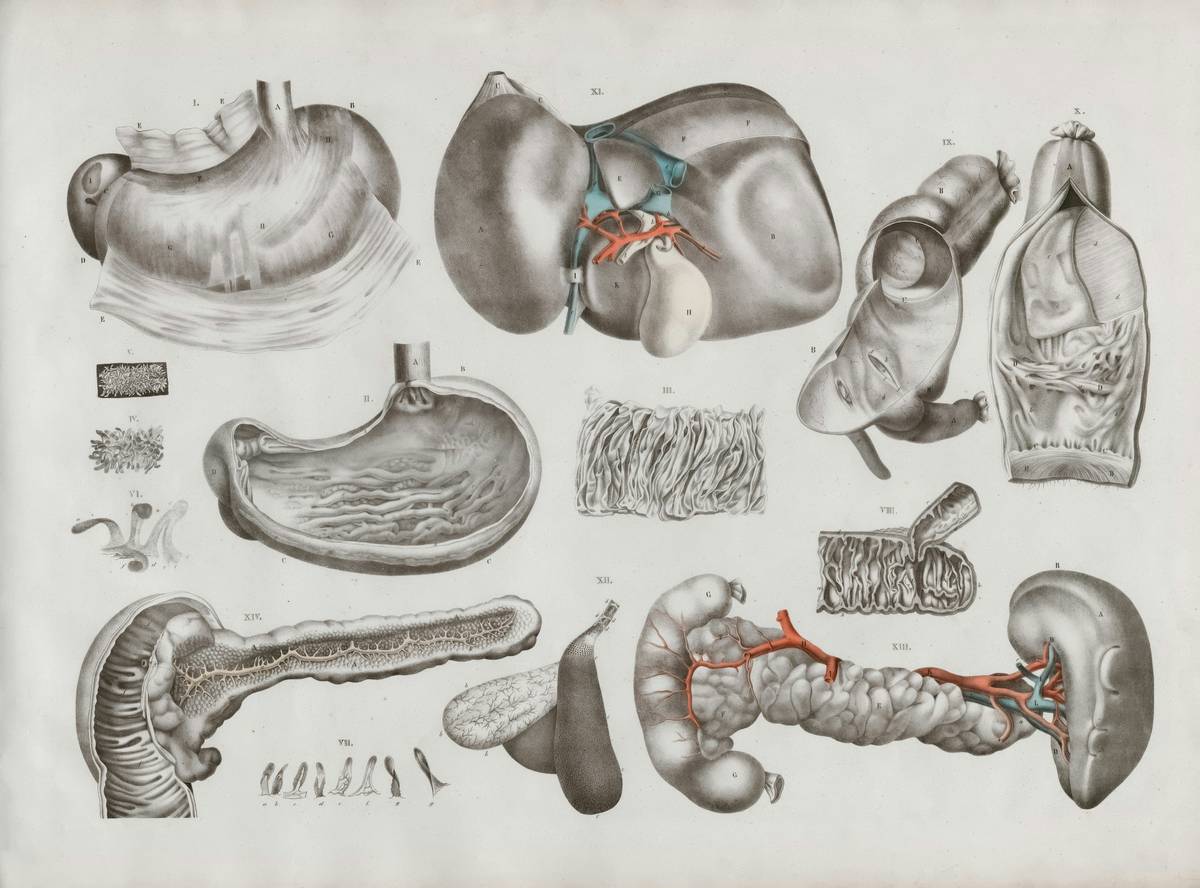
I learned this the hard way after switching to a high-protein diet without adjusting anything else. Within days, I was constipated, fatigued, and my skin broke out like I was 16 again. Turns out, my pancreas couldn’t keep up with the demand for protease—the enzyme that digests protein. No one told me that digestion isn’t automatic; it’s a finely tuned biochemical cascade that needs support.
According to the National Institute of Diabetes and Digestive and Kidney Diseases (NIDDK), conditions like exocrine pancreatic insufficiency (EPI) affect millions, often undiagnosed, simply because symptoms like bloating or irregular bowel movements seem “normal.” But they’re not—and ignoring them can lead to long-term nutrient gaps.
Step-by-Step Guide to Supporting Your Natural Enzyme Production
1. Start Meals with Something Sour or Bitter
Gastric acid triggers enzyme release. Try lemon water, apple cider vinegar, or bitter greens (like arugula) 10 minutes before eating. This primes your stomach to secrete pepsin and other proteases.
2. Chew Like Your Gut Depends on It (It Does)
Amylase—the carb-digesting enzyme—starts working in your mouth. If you gulp food down, you’re dumping undigested starch into your gut, feeding bad bacteria and causing gas.
3. Avoid Ice-Cold Drinks with Meals
Cold liquids can temporarily constrict blood flow to the digestive organs and slow enzyme activity. Stick to room-temperature water or herbal tea during meals.
4. Consider Enzyme-Rich Foods
Pineapple (bromelain), papaya (papain), kiwi, ginger, and fermented foods like sauerkraut naturally contain active enzymes that complement your own. Include them regularly—not as a fix-all, but as support.
5 Best Practices for Optimal Digestive Enzyme Function
- Manage stress: Chronic stress diverts blood away from digestion. Even 5 minutes of deep breathing before eating helps.
- Don’t overcook everything: Raw or lightly cooked fruits and veggies retain their natural enzymes. Balance cooked meals with fresh sides.
- Time your supplements wisely: If you use digestive enzyme supplements, take them right at the start of a meal—not after you feel bloated. Learn more about our approach on the About Us page.
- Avoid the “enzyme smoothie” trap: Blending destroys many natural enzymes due to oxidation and heat from the motor. Sometimes whole fruit is better than pulverized.
- Stay hydrated—but not during meals: Drink most fluids 30 minutes before or after eating to avoid diluting stomach acid.
Real Results: What Happens When You Fix Your Enzyme Game?
In a 2022 study published in Nutrients, participants with mild digestive complaints who adopted enzyme-supportive habits (chewing thoroughly, eating bitter greens pre-meal, reducing processed foods) reported a 68% reduction in bloating within four weeks—without any supplements (source).
One client of ours—a busy mom who used to rely on antacids after every dinner—followed just three of the steps above for two weeks. Her energy improved, her afternoon crashes vanished, and she finally understood why “healthy eating” hadn’t worked before: her body wasn’t absorbing a thing. That’s the power of optimizing enzymes in the human digestive system.
FAQs About Digestive Enzymes
Can you take digestive enzymes every day?
Yes, but only if needed. Long-term daily use without addressing root causes (like stress or poor chewing) may reduce your body’s natural production. Always pair supplementation with lifestyle changes.
What are the signs you need digestive enzymes?
Chronic bloating, gas after meals, floating stools, undigested food in stool, or feeling full after just a few bites can signal low enzyme output.
Do digestive enzymes help with weight loss?
Not directly. But by improving nutrient absorption and reducing inflammation, they can support metabolic health—which indirectly aids healthy weight management.
Are plant-based enzymes better than animal-based?
Plant-based (fungal or fruit-derived) enzymes work across a wider pH range and are often gentler. Animal-based (pancreatic) enzymes are potent but require enteric coating to survive stomach acid.
Conclusion
Optimizing your enzymes in the human digestive system isn’t about popping pills—it’s about working with your biology, not against it. From mindful eating to smart food choices, small shifts create big results. And if you’re unsure where to start or suspect a deeper issue, don’t guess. Contact us for personalized guidance. Your gut will thank you.
Remember: digestion begins not in the stomach—but in the mind. Slow down, savor, and let your enzymes do what they evolved to do.
We respect your privacy—any data shared during consultation is protected under our Privacy Policy.