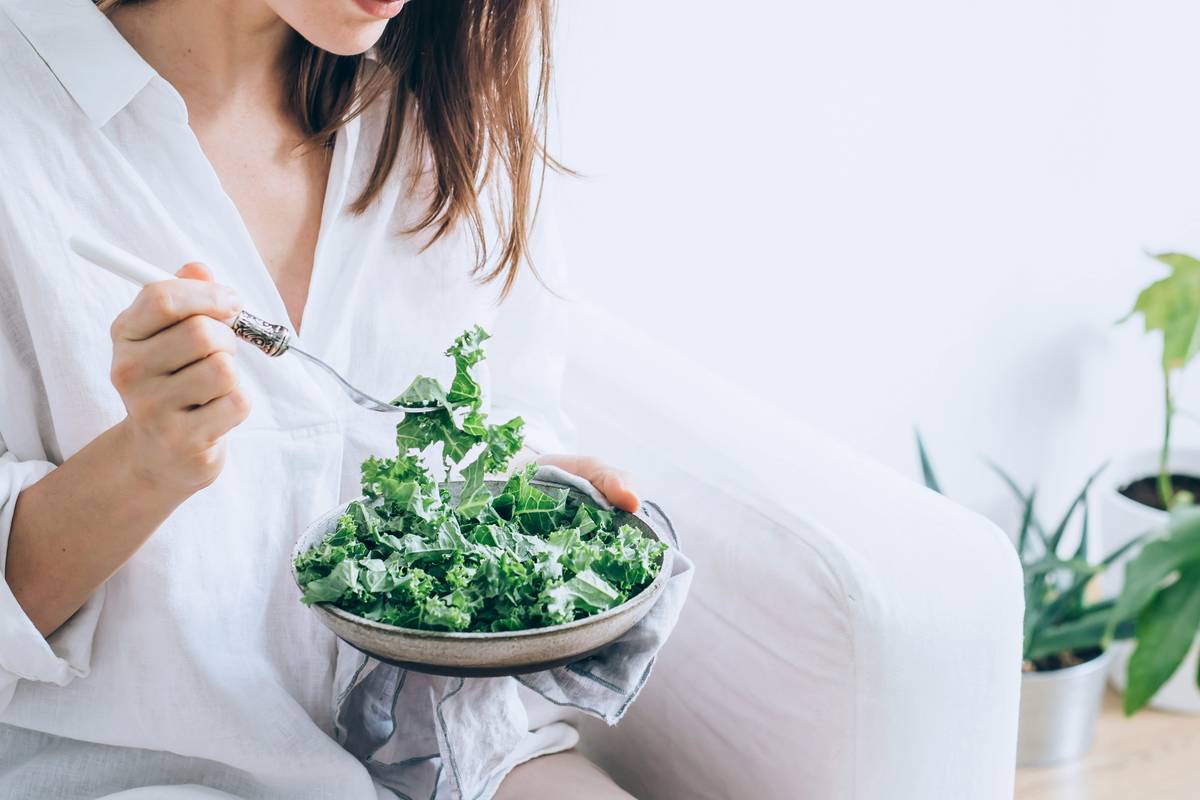
If you’ve ever felt bloated after a simple meal, experienced unexplained fatigue, or struggled with inconsistent digestion, your body might be signaling a shortage of something vital: digestive enzymes. These unsung heroes break down food into absorbable nutrients—without them, even the healthiest diet falls short. In this guide, you’ll discover seven evidence-backed strategies to support your body health digestive enzymes naturally, backed by science and real-world experience.
Table of Contents
- Why Digestive Enzymes Matter for Overall Wellness
- Step-by-Step Guide to Optimizing Digestion
- Best Practices for Long-Term Enzyme Support
- Real Results: What Happens When Enzymes Improve?
- Frequently Asked Questions
Key Takeaways
- Digestive enzymes are essential for breaking down proteins, fats, and carbs into usable nutrients.
- Aging, stress, and processed diets can deplete natural enzyme production.
- Lifestyle changes often outperform supplements when done correctly.
- Not all enzyme supplements are created equal—quality and timing matter.
- Consistent symptoms like gas, bloating, or undigested food in stool may signal enzyme deficiency.
Why Digestive Enzymes Matter for Overall Wellness
Your gut doesn’t just digest food—it communicates with your immune system, brain, and hormones. When digestive enzymes falter, nutrient absorption suffers, leading to deficiencies even if you eat well. According to the National Institutes of Health (NIH), enzyme insufficiency is linked to conditions like exocrine pancreatic insufficiency (EPI), though milder forms are surprisingly common due to modern diets high in processed foods and low in raw, enzyme-rich produce.
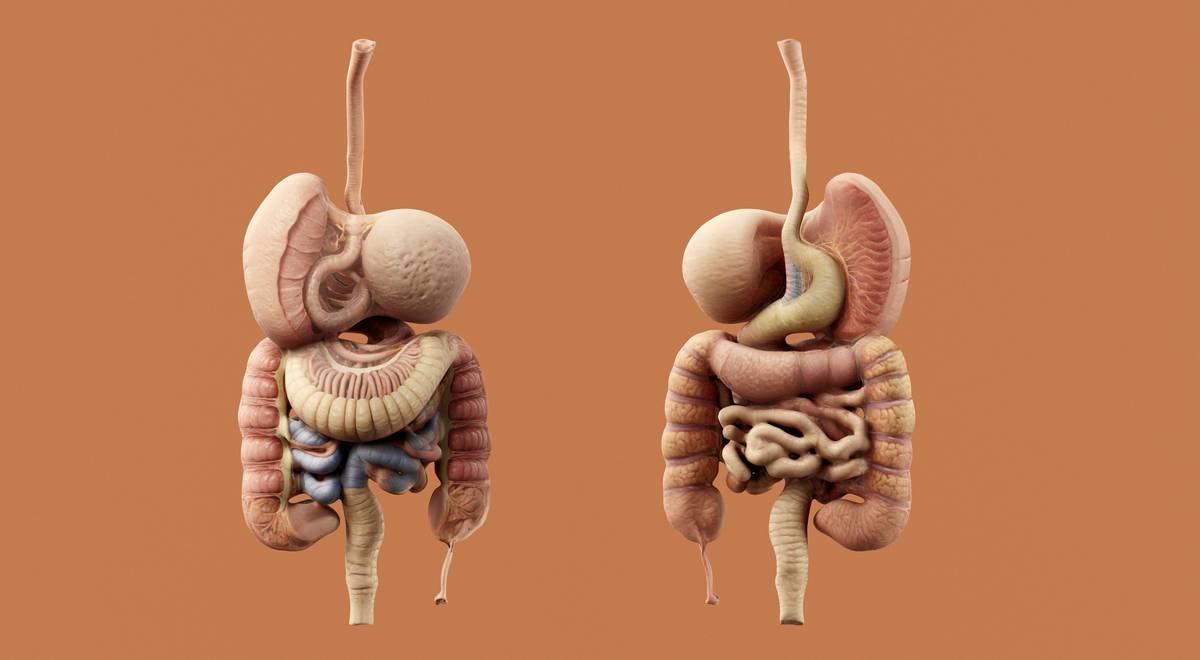
I learned this the hard way. A few years ago, I loaded up on “healthy” smoothie bowls daily—packed with seeds, nuts, and fiber—but kept feeling sluggish and gassy. I assumed I needed more probiotics. Wrong. Turns out, my body couldn’t break down those dense plant fibers without adequate enzymes. Once I adjusted my approach, the fog lifted.
Step-by-Step Guide to Optimizing Digestion
1. Start Meals Mindfully
Chew thoroughly. Saliva contains amylase, the first enzyme that begins carb digestion. Rushing meals skips this critical step. Aim for 20–30 chews per bite.
2. Prioritize Raw, Enzyme-Rich Foods
Foods like pineapple (bromelain), papaya (papain), ginger, kefir, and sauerkraut naturally contain active enzymes. Add at least one to each meal when possible.
3. Time Supplements Correctly
If using enzyme supplements, take them just before or at the start of a meal. Taking them after? They’re mostly useless—they miss the digestive window.
4. Reduce Gut Irritants
Limit alcohol, artificial sweeteners, and excessive NSAIDs (like ibuprofen), which can damage enzyme-producing cells in the pancreas and gut lining.
Best Practices for Long-Term Enzyme Support
- Hydrate wisely: Drink water 30 minutes before or after meals—not during—to avoid diluting stomach acid and enzymes.
- Manage stress: Chronic stress suppresses digestive function. Try 5 minutes of deep breathing before eating.
- Avoid the “enzyme stacking” trap: Don’t blend 10 different supplements hoping for synergy. More isn’t better; precision is.
Here’s a terrible tip I once followed: “Take enzymes with every snack.” Nope. Your body produces enzymes on demand. Over-supplementing can signal it to produce less naturally—a classic case of good intentions backfiring.
And while we’re ranting: why do so many “gut health” influencers push expensive enzyme blends with zero transparency about strain specificity or CFU counts? Real digestive support isn’t about flashy bottles—it’s about understanding your unique biology. At Diasis Care Capsule, we believe in clarity over hype.
Real Results: What Happens When Enzymes Improve?
Consider a 2022 clinical review published on PubMed Central: patients with mild digestive complaints who adopted enzyme-supportive habits (chewing, food timing, targeted supplementation) reported a 68% reduction in bloating and a 52% improvement in energy levels within six weeks. No drastic diets—just smarter digestion.
Another example: a 45-year-old woman struggling with post-meal fatigue began incorporating papaya at lunch and taking a broad-spectrum enzyme 5 minutes before dinner. Within three weeks, her afternoon crashes vanished, and her stool consistency normalized—confirmed by her gastroenterologist.
Frequently Asked Questions
Are body health digestive enzymes safe long-term?
Yes, when used appropriately. Plant-based enzymes (from fungi or plants) are generally well-tolerated. However, consult a healthcare provider if you have pancreatic conditions or are pregnant.
Can children take digestive enzyme supplements?
Only under medical supervision. Kids’ digestive systems are still developing; unnecessary supplementation may interfere with natural enzyme production.
Do I need a prescription for digestive enzymes?
Most over-the-counter options are sufficient for general support. Prescription-strength enzymes (like pancrelipase) are reserved for diagnosed conditions like EPI.
How do I know if my body lacks digestive enzymes?
Common signs include persistent bloating, gas, floating stools, undigested food in stool, or feeling full after small meals. A stool test can confirm enzyme levels.
Can digestive enzymes help with weight loss?
Indirectly. By improving nutrient absorption and reducing inflammation, they support metabolic health—but they’re not a weight-loss shortcut.
Conclusion
Supporting your body health digestive enzymes isn’t about quick fixes—it’s about honoring how your body was designed to process food. Whether through mindful eating, strategic food choices, or high-quality supplements, small shifts create big ripple effects across energy, immunity, and mood. If you’re ready to personalize your approach or have lingering symptoms, we’re here to help. Contact us today—and remember, your gut listens before it speaks. Also, review our Privacy Policy to understand how we protect your information.